XR headsets as an acquisition surface
By UA Ledger staff — Archive date: 3 min read
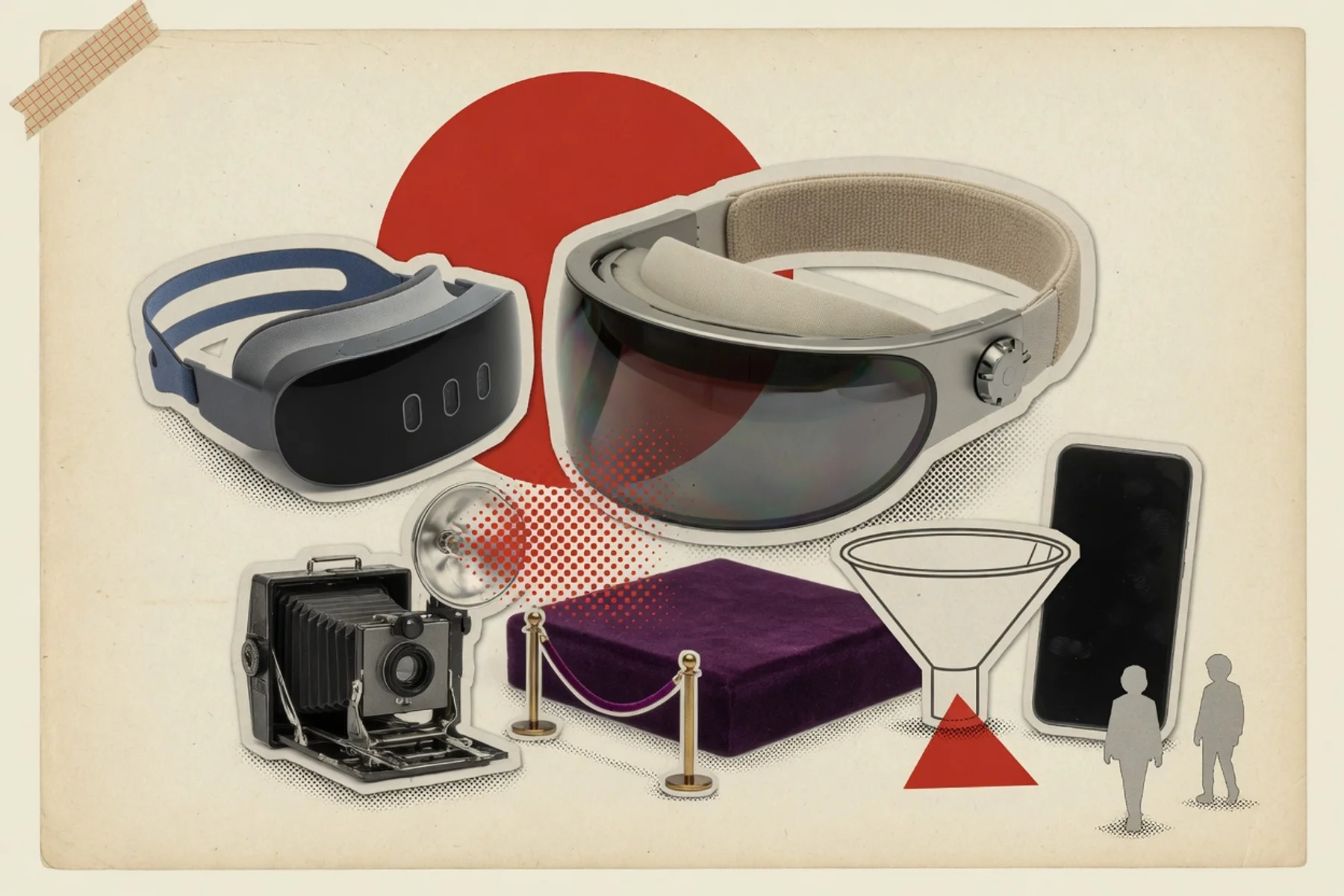
Vision Pro and Quest remain too small for performance UA. Studios that show up anyway are buying press coverage, not installs.
Apple's Vision Pro and Meta's Quest line share a problem, and it isn't one that more hardware polish solves. The installed base is small. Small enough that a games publisher treats an XR launch as a public relations exercise rather than a performance channel with a budget line of its own.
The honest numbers, to the extent public estimates exist, put combined Vision Pro and Quest active users at a fraction of a single mainstream mobile title's daily active users, let alone the addressable market a paid UA campaign on Meta or Google reaches in an afternoon. That gap isn't closing quickly. Vision Pro remains a premium-priced device with limited retail distribution, while Quest's larger but still comparatively small base skews toward a narrower demographic than mobile gaming's broad reach.
Neither platform supports the kind of self-serve auction-based ad buying a mobile UA team would recognise as a channel, which leaves no CPI to benchmark and no bidding lever to pull, even for a studio that wanted to spend.
Why studios still show up anyway
XR does deliver one thing reliably: press coverage, plus a halo effect for a studio's brand that a small install number can't capture on its own. A recognisable mobile IP launching an XR spin-off generates coverage in outlets that don't normally write about mobile games. Investors read those outlets. So do potential publishing partners, and so does a studio's own existing player base, which is why that coverage reaches them far more efficiently than it ever reaches a new XR user.
Several publishers have used an XR title exactly this way, treating the launch as a marketing asset for the core mobile business rather than expecting the XR version to carry meaningful UA volume on its own.
The one scenario worth watching is a genuine drop in headset price alongside a mainstream content moment, the XR equivalent of what a console price cut does for that category's addressable market. Until that happens, XR stays a brand surface. The same holds until either platform opens a real advertising marketplace with attribution a mobile MMP can read. A UA lead asked to justify spend against an XR launch should say so plainly, rather than inventing a performance case the channel can't yet support.
Related archive reading
These articles provide related context and remain subject to their stated review status.