Characters and IP in acquisition creative
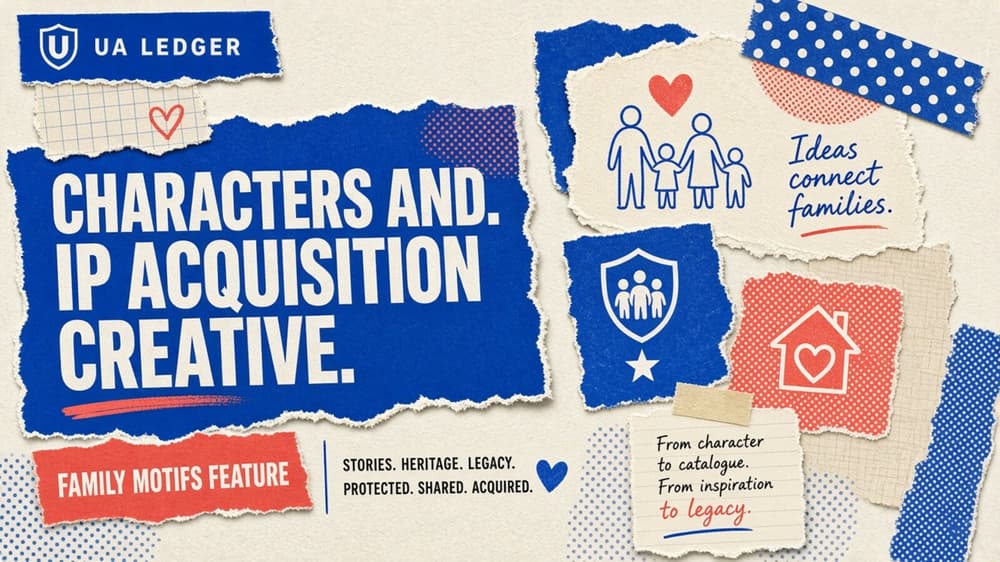
Licensed characters lift recognition fast but cap the audience and cost a fee. Original mascots compound slowly and cost nothing to reuse.
A licensed character solves a problem creative teams spend months trying to solve without one: instant recognition. Put a familiar face on a thumbnail and the click decision happens before the hook plays. That's the entire case for paying for IP, and it's a real one; it's also where most of the argument stops, which is the mistake.
An original mascot does the opposite. Nobody recognises it on day one, so it earns recognition the slow way, through repetition across a creative portfolio until players start associating a shape or a colour, a voice or a running gag, with the game itself rather than with the ad. The upside is that once it works, it's free to reuse for as long as the studio wants, in any market and any format, without a rights conversation.
What a licence actually buys, and what it caps
A licensed character usually lifts click-through rate against a cold audience, particularly in markets where the property already has television or streaming reach. That lift is real. It's also a ceiling, because the character brings its own audience with it, and that audience isn't always the one the studio built the game for. A licence aimed at a younger demographic than the actual player base will inflate installs while quietly degrading day seven retention, since the people it attracts came for the character rather than the mechanic.
A second cap shows up later: creative range. A licensed character comes with brand guidelines. The contract usually fixes tone and colour use, along with permitted expressions and forbidden contexts, which means the creative team loses exactly the kind of iteration freedom that keeps a portfolio from fatiguing. An original mascot can be redrawn angrier or more ridiculous the moment a hook stops working; a licensed one can't, not without a new approval round.
The approval loop is the real cost
The licence fee gets budgeted early and is rarely the surprise. What derails a production schedule is the approval loop that comes with it. Every asset using licensed IP typically needs sign-off from the rights holder before it can run, and that sign-off queue doesn't move at the speed of a live creative test cycle, so a studio used to shipping a new hook every few days against a fatigue curve finds itself waiting a week or more for a single frame to clear.
Creative fatigue doesn't pause for approval processes. A concept that needed a variant on Tuesday and got one the following Monday has already lost most of the value of moving fast. Teams that licence IP successfully tend to negotiate a pre-approved asset library up front, a set of poses and expressions with backgrounds cleared in bulk, rather than submitting each new cut for individual review.
Testing IP appeal without signing anything
A studio doesn't need a signed licence to learn whether character-led creative would help a specific game. The cheaper test is an original character concept, built in-house and run as a normal creative variant alongside the existing slate. If a strong, consistent original mascot moves click-through and installs meaningfully over several iterations, that is reasonably good evidence that character-led creative works for this audience in general, independent of which specific character carries it.
The inverse test matters more, and fewer studios run it. Put an unbranded, mechanic-first control alongside any character-led concept, licensed or original, and you learn how much of the lift actually comes from the face on the ad rather than from the underlying hook. Studios that skip this step overattribute performance to the character and underinvest in the mechanic proof that keeps a cohort past the first session.
Where the decision actually sits
The choice between licensed and original isn't really a creative-strategy decision. It's a portfolio-economics one, and it belongs with whoever owns the game's long-term positioning rather than whoever owns this quarter's CPI. A licence bought to solve a short-term acquisition dip rarely gets renewed on the same terms once the dip passes, and a game that leaned on a character it no longer has the rights to use ends up rebuilding recognition from nothing at the worst possible moment.
An original mascot, given the same design discipline a studio would give a licensed one (a consistent look, a defined voice, a silhouette that reads at thumbnail size), tends to be the better long-run bet for any game expecting more than a year or two of live creative production. The licence still has its place. A launch window, a market entry, a specific campaign where recognition needs to arrive faster than a portfolio can build it on its own.
Related archive reading
Related posts
market intelligence
media buying
·1 min read
Lunar New Year UA gates from an official calendar, not a CPI myth
market intelligence
media buying
·2 min read
WeChat Mini Games upgrades 2026 IAP / virtual-payment incentives for debut titles
market intelligence
media buying
·2 min read