Match Collector: separate the mascot hook from the gameplay explanation
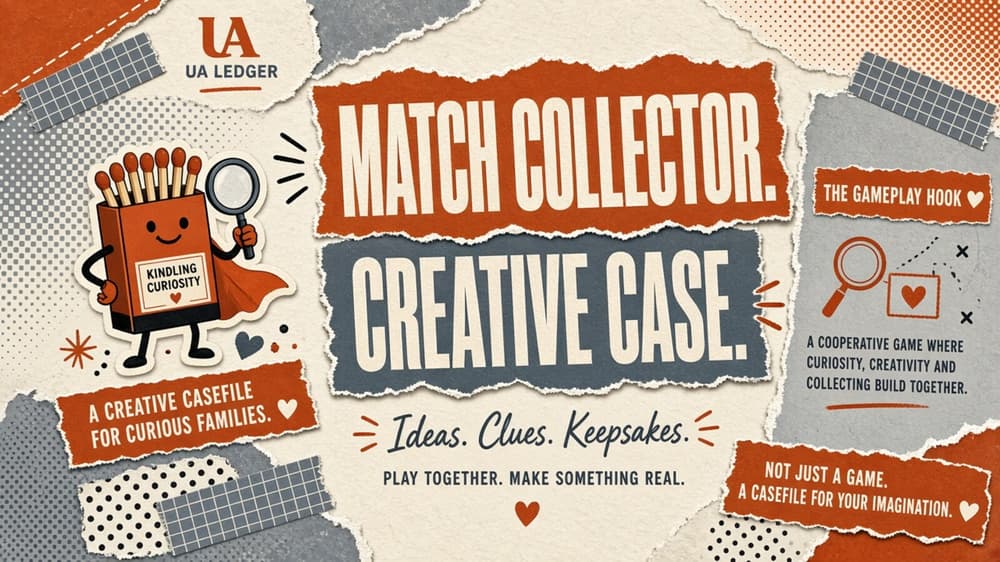
Staple Games' Match Collector case suggests a useful division of creative labour: a recognisable character earns attention, while a separate execution explains the game. Test those jobs separately before copying the whole campaign.
Staple Games' Match Collector case suggests a useful division of creative labour: a recognisable character earns attention, while a separate execution explains the game. Test those jobs separately before copying the whole campaign.
What the public case establishes
TikTok describes Staple Games combining in-house material featuring its Curator mascot with creator-produced explanations of Match Collector's mechanics. Selected material then ran as in-feed install ads. Its results section reports increased organic engagement during a two-week campaign; that is a platform-published account, not an independently measured install lift. TikTok for Business case study.
This is a source-led creative casefile, not a frame-by-frame viewing or a campaign we ran. The diagram below is our own schematic. It does not reproduce the advertiser’s footage, and we have not established reuse permission for that footage.
The decision worth examining
The decision worth borrowing is the separation between recognition and comprehension. A mascot can become an identifiable cue before it has explained a single rule. A creator can explain the rules while contributing little distinctive brand memory. Treating both as one creative category hides which problem an execution is solving and makes a refresh brief vague.
Our proposed production map assigns the Curator to the opening identity cue and a real interaction to the proof section. That is an editorial design suggestion, not a reconstruction of the original ad sequence. The source does not give enough frame-level evidence to time either element or judge how faithfully the videos match the first session.
A usable next check
Create matched edits from footage your team owns. Keep the gameplay demonstration, duration, offer and destination constant; change only whether the mascot appears before the demonstration. Ask unprompted viewers what action they expect to perform before buying distribution. A memory advantage with worse rule comprehension is a tradeoff to examine, not an automatic winner.
| Test element | Proposed specification |
|---|---|
| Control | Gameplay explanation opens immediately |
| Variant | Curator-style identity cue precedes the same explanation |
| Readout | Unprompted game recognition and correctly described first action |
| Stop or reject | Reject an opening that improves recognition but materially confuses the promised action |
Download the populated case worksheet. Its control, variant and decision rules are a proposed experiment, not an account of results already measured. Keep the source URL with the worksheet when circulating it so reported findings cannot become unattributed team benchmarks.
Evidence boundary
Paid and organic exposure changed together in the published account. It does not isolate the mascot's contribution or supply the allocation and audience data needed to estimate incremental purchases.
For background, see the creative brief is a hypothesis document and post campaign creative debrief process. No first-hand campaign result is asserted.