Japan: what Western studios miss
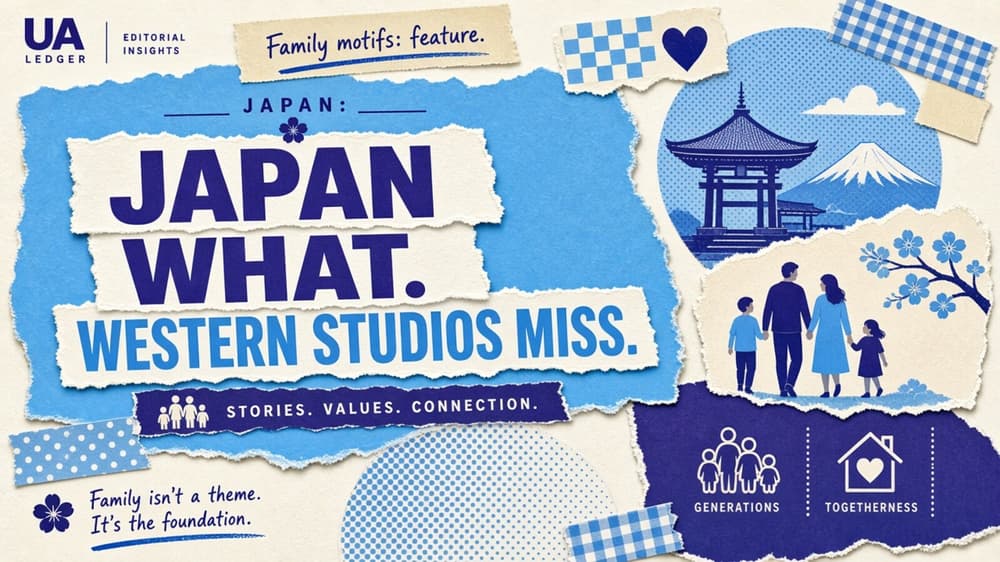
Japan still rewards gacha depth, pre-registration campaigns, television spend and a local partner, more than any global UA playbook alone.
Gacha is the market's baseline, not a bolted-on feature
Studios entering Japan sometimes treat gacha mechanics as an optional monetisation layer to add on top of a game built for a global audience. In Japan, gacha style monetisation is closer to a baseline player expectation than a bonus feature, shaped by decades of mobile and even earlier trading card and toy gacha culture that predates smartphones. A title that arrives without a gacha system that feels considered and fair by local standards, rather than an imported system with cosmetic localisation, tends to read as under-built to a Japanese audience regardless of production quality elsewhere in the game.
That expectation extends to pre-registration culture, which is far more developed in Japan than in most Western markets. Japanese players, and the media ecosystem around mobile games, treat the pre-registration period as a meaningful part of a launch's story; milestone rewards tied to registration counts are a normal and expected mechanic rather than a growth hack.
Studios that skip a proper pre-registration campaign, or run a thin one built for a market where the concept is less established, are giving up a genuine acquisition and retention tool Japanese players actively expect to see.
TV and out-of-home still matter for mobile games here
Japan remains one of the few major mobile games markets where television and out-of-home advertising for mobile titles is still common and, for titles with the budget to support it, effective. That's a meaningful departure from most other markets covered in this series, where digital UA has almost entirely displaced traditional media for mobile game launches. A studio planning a serious Japan launch without at least evaluating a television or transit advertising component is working from a global media mix that doesn't reflect how a meaningful share of the Japanese audience still discovers new titles.
The community layer runs through different platforms
X, formerly Twitter, remains unusually central to Japan's gaming culture relative to its role in most other markets. Player communities run through it, creator activity runs through it, and official studio communication goes through it too, more heavily than through the platforms a global social strategy might prioritise elsewhere. LINE carries similar weight as the region's dominant messaging platform, with official accounts and mini-programmes functioning as a genuine engagement and retention channel rather than simply a customer service tool. A studio running a Japan campaign through a generic global social plan, without dedicated attention to X and LINE specifically, is under-serving the two platforms where Japanese player communities actually live.
CPI levels and the case for a local partner
CPI in Japan sits meaningfully above most of Asia and often above Western Europe too, reflecting both the market's high ARPU and the intensity of competition among established domestic publishers for the same audience. That combination of high acquisition cost with an audience strongly loyal to established domestic titles is why most successful Western entries into Japan have gone through a local publishing or marketing partner rather than a direct global campaign. A partner brings localisation, of course. The more valuable thing it brings is calibrated judgement on gacha design and pre-registration mechanics, and on the media mix decisions covered here; that judgement is difficult to build from outside the market in the time a single launch window allows.
Japan's own platform regulatory picture has been moving too. The country's Smartphone Act, which this desk covered as it began opening alternative app stores to buyers, adds a second track worth watching alongside the acquisition questions covered here, since a market that has historically funnelled almost all discovery through two app stores is now, gradually, developing more of them. For now that is a platform story more than a UA one. Still, Liftoff's public listing this week is a reminder that the infrastructure layer serving markets like Japan is itself consolidating and changing ownership at a pace UA teams shouldn't assume will stay stable, so it's worth tracking.
Sizing a Japan launch honestly
None of this argues against entering Japan, only against entering it at the scale and pace a global rollout template assumes. A studio that budgets a Japan launch as one more market on a shared global creative and media plan will underspend against the intensity described above, then read the resulting soft performance as a signal the market doesn't work, when the more accurate read is that it was never resourced to compete on Japan's actual terms.
Treating Japan as its own line, with its own gacha review and its own pre-registration timeline, and with a local partner conversation started well before launch, is a heavier lift than a standard market entry. It's also the version of the plan this market has consistently rewarded.
Related archive reading
Related posts

market intelligence
media buying
·1 min read
Lunar New Year UA gates from an official calendar, not a CPI myth
market intelligence
media buying
·2 min read
WeChat Mini Games upgrades 2026 IAP / virtual-payment incentives for debut titles

market intelligence
media buying
·2 min read