The Holiday UA Strategy Playbook to Lock by Halloween
By Jordan Wells, Senior Analyst — Archive date: 6 min read
View author profile
A holiday UA strategy locked today still has time to execute properly; one locked in mid-November mostly means reacting with whatever is already live.
Halloween is an arbitrary date on a calendar. It functions as a real deadline for holiday UA strategy anyway, because everything that has to happen between now and the holiday peak takes roughly the number of weeks between today and mid-December: creative production and network review on one side, measurement setup and budget approval on the other. A strategy locked today still has the runway to execute properly through every one of those steps. Lock it in three weeks and the team is mostly reacting with whatever creative and budget structure is already live, since the review and production time that would have let it change course will have run out.
Why the deadline is real, not arbitrary
The mechanism behind this deadline is the network review slowdown covered in Q4 Creative Calendar Planning Before the Network Freeze. Ad networks progressively slow creative review and account changes as the holiday period approaches, and the slowdown compounds with a production pipeline that also gets busier and slower as every other publisher rushes the same holiday assets through the same limited pool of creative teams and network reviewers at once. A budget decision on channel allocation made today has time to go through testing and adjustment before spend needs to flow. The same decision made in three weeks has time to go in, but not to get tested, which turns holiday UA strategy into a one-shot bet rather than an informed one.
The five decisions to lock today
- Channel and budget allocation for the peak weeks, informed by whatever mid-quarter reforecast the team has already run, since UA Ledger's recent piece on reforecasting mid-quarter without the panic exists specifically to feed into this decision rather than be a separate exercise.
- The final creative slate entering the freeze, following the concentration logic this publication argued for this week: fewer proven concepts with deep variant coverage, rather than new ideas that will not clear review in time to be tested properly.
- Measurement windows and reporting cadence for the holiday period specifically, since a shortened decision-making cycle during peak spend needs a cohort maturity window the team can actually act on inside the week, not a thirty-day window that will not resolve until January.
- Web shop and alternative billing readiness for any market where a publisher has adopted link-out flows this year, given how much billing infrastructure has moved through the second half of 2025 following the contempt ruling and the ongoing Play Store compliance changes.
- A fallback plan for at least one platform-side disruption, since this year alone has produced an engine vulnerability patch, a billing compliance rollout and a rival-store distribution change inside a single quarter, and a holiday plan with zero contingency for a comparable surprise is not actually locked, just optimistic.
What "locked" should actually mean
Locking a holiday UA strategy doesn't mean freezing every number until January. It means committing to a structure and a creative slate, plus a measurement approach, all specific enough that execution can begin immediately, while leaving a small and explicitly reserved portion of budget and creative capacity for the adjustments that inevitably surface once real holiday traffic starts behaving differently from anything a Q3 model predicted. Teams that confuse locking with finality tend to go one of two ways. Either they over-commit and then panic when week one of the holiday period looks different from plan, or they under-commit and never finish the planning cycle at all, which produces the same outcome as not planning: a team improvising through peak spend.
A short checklist for today specifically
Before the day ends, confirm that the creative slate entering the freeze has gone in for review, not merely finalised internally, since submission timing is what starts the clock a network works against. Confirm the budget allocation has reached whoever approves spend changes, so that a mid-December adjustment doesn't reopen a conversation that ought to be over by then. Confirm the measurement team has the reporting cadence and cohort windows they need built before the peak weeks, not during them. And confirm at least one person owns the fallback plan for a platform-side surprise. A plan with no named owner tends to surface only after the surprise has already cost a week of response time.
Holiday UA strategy: a worked example of the cost of waiting
Take two hypothetical publishers with similar Q4 ambitions. Publisher F locks its holiday UA strategy on October 31, with channel allocation and creative slate and measurement plan all submitted for network review the same week. Publisher G, similar in scale, is still finalising its creative slate on November 18, roughly three weeks later. By then network review queues are running at their seasonal peak length, adding an estimated 10 to 12 days to a review that would have taken 3 to 5 days in early November, so Publisher G's creative clears in the first week of December, roughly two and a half weeks after Publisher F's equivalent slate went live, out of a holiday spend window that runs about six to seven weeks in total. That gap, close to 40% of the entire holiday window, isn't a modest inefficiency. It's close to half the season spent running whatever creative and budget structure happened to already have approval, while Publisher F spends the same weeks reacting to live performance data with a plan built for adjustment rather than for reopening from scratch. The numbers are illustrative. The mechanism, review queue length compounding with a late start, is exactly the one in the deadline logic above.
What this buys the team in December
None of this guarantees a good holiday result; creative performance and platform stability both carry genuine uncertainty no October planning cycle can remove, and so does consumer spending. What locking a holiday UA strategy by Halloween buys is optionality during the six weeks that matter most. A team whose creative slate is already through review, with a budget structure already approved, can spend the holiday period reacting to real performance data. A team still finalising its plan in mid-November spends that same period reacting to its own late planning instead, which is the one kind of surprise a Q4 campaign has no excuse for absorbing.
Related archive reading
These articles provide related context and remain subject to their stated review status.
Featured
Related posts
market intelligence
media buying
·1 min read
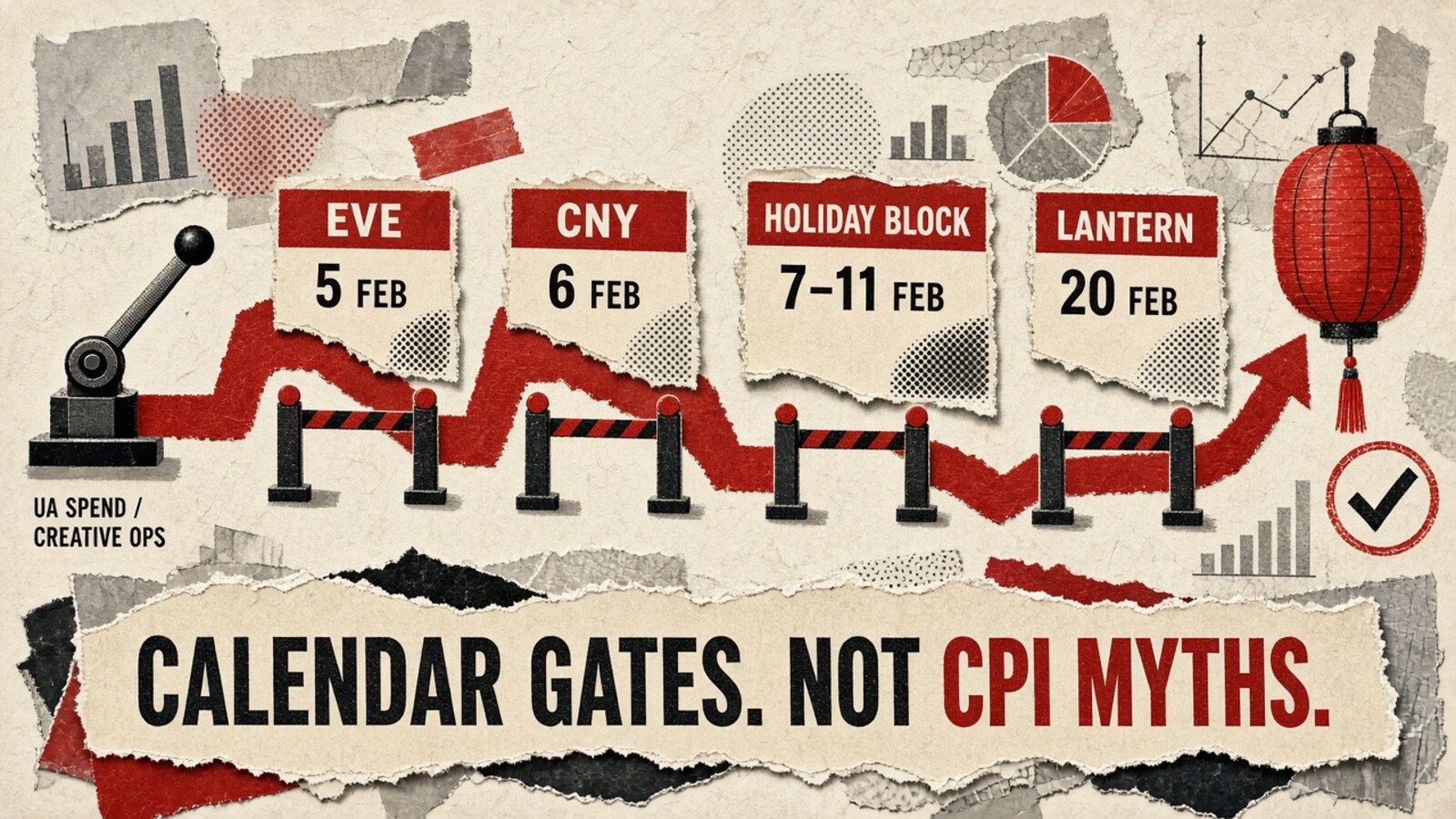
Lunar New Year UA gates from an official calendar, not a CPI myth
market intelligence
media buying
·2 min read
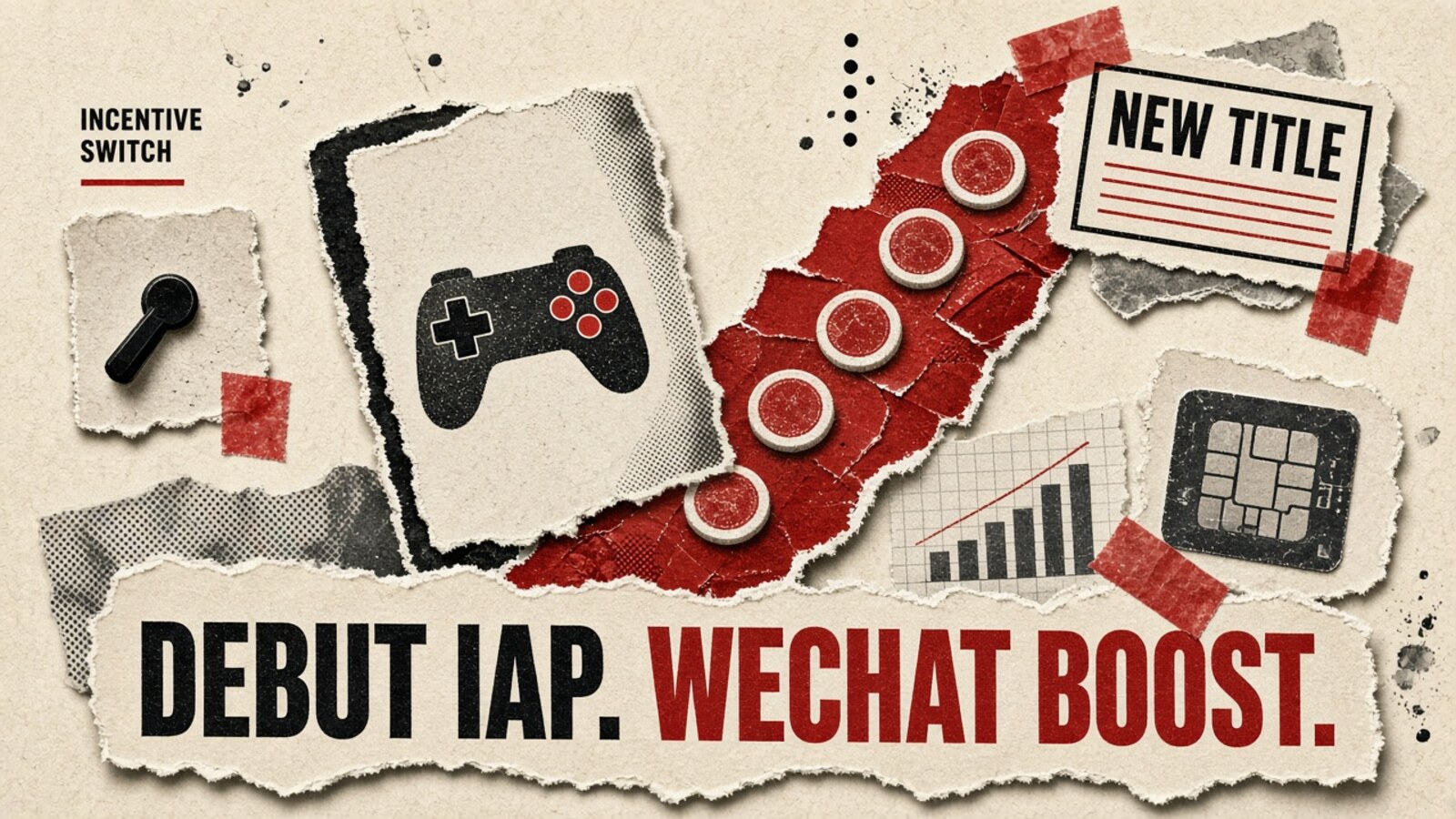
WeChat Mini Games upgrades 2026 IAP / virtual-payment incentives for debut titles
market intelligence
media buying
·2 min read
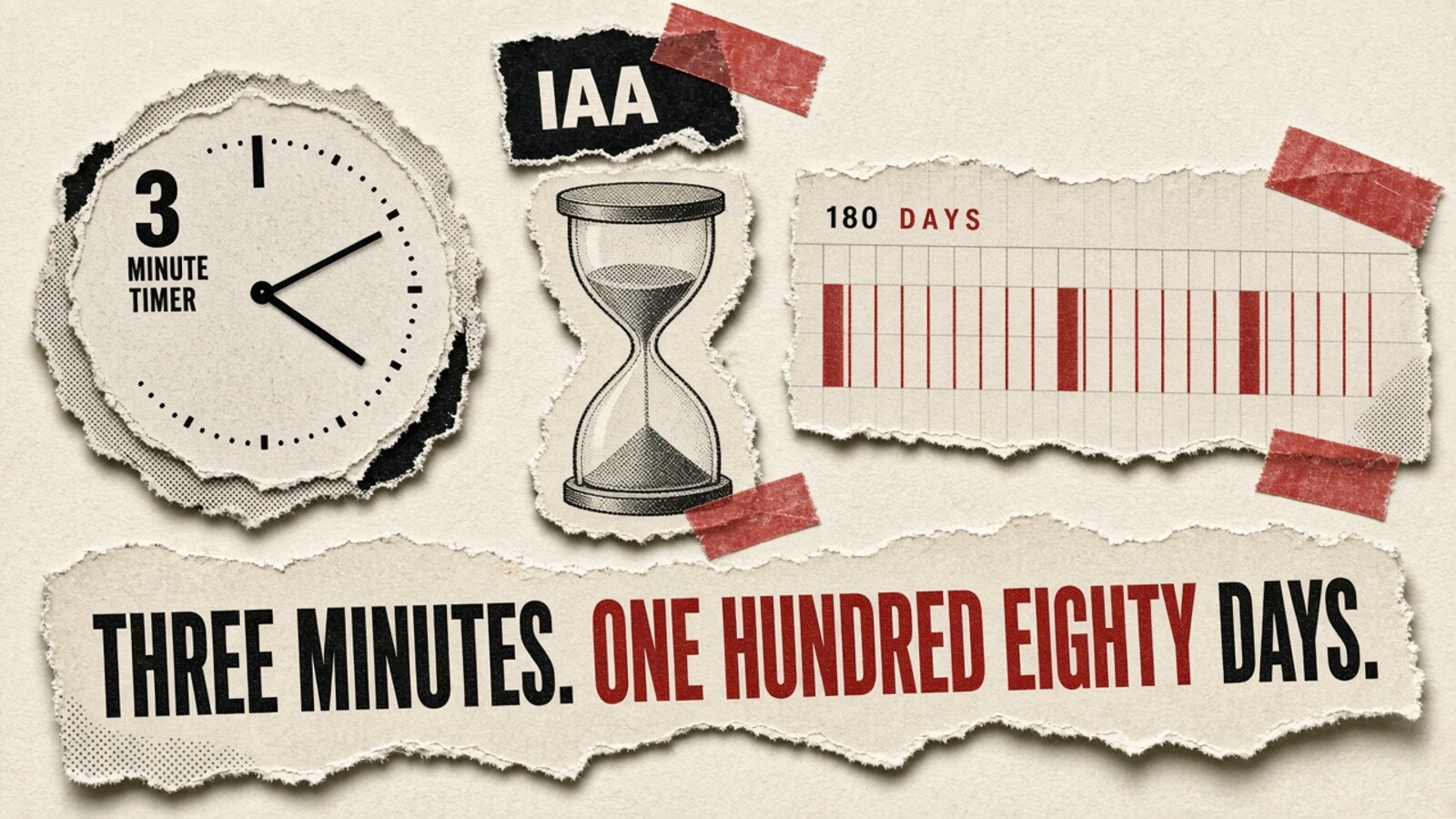
WeChat Mini Games IAA incentives from 20 August 2026: 3-minute lifetime, 180-day option
market intelligence
media buying
·3 min read
WeChat mini-game virtual-payment incentives for 2026: 60% cash, launch bonuses, 22 Sep account lock
More from the Market Intelligence desk
creative strategy
market intelligence
·1 min read
Ramadan: creative hours and store localisation checks
market intelligence
measurement
·1 min read
Retention percentile charts for F2P: what GameAnalytics-style cuts miss
market intelligence
platforms
·2 min read
Vietnam Decree 147 takes effect 25 December 2024 — ad and licensing gate goes live
market intelligence
platforms
·2 min read